Think of a rip like a river in the ocean. It’s a strip of water that flows out past the waves, and it can pull you away from the beach without you even realizing it at first. Rips aren’t like whirlpools and they won’t pull you under. They just carry you sideways or out past the breakers.
Here’s the good news: rips are actually pretty easy to spot once you know what you’re looking for. Look for a patch of water that looks calmer, darker, or a bit sandy and murky compared to the water around it, especially somewhere the waves aren’t breaking the way they are everywhere else. If you’re standing on the sand and you see a gap where the waves just aren’t crashing like they are on either side, that’s often a rip.
If you ever feel water pulling you out past where your feet can touch, here’s what to do:
Stay calm and don’t try to swim straight back to shore against the current. That’s the number one mistake, and it just wears you out. Instead, put a hand up in the air and yell out so someone on the beach can see you. If you can, swim across the current (parallel to the beach) rather than against it, or just relax and float. Rips usually loop back around, and a calm body floats a lot better than a tired, panicked one.
And the easiest rule of all: swim between the red and yellow flags. That’s where the lifesavers have already checked the water and are watching out for you.
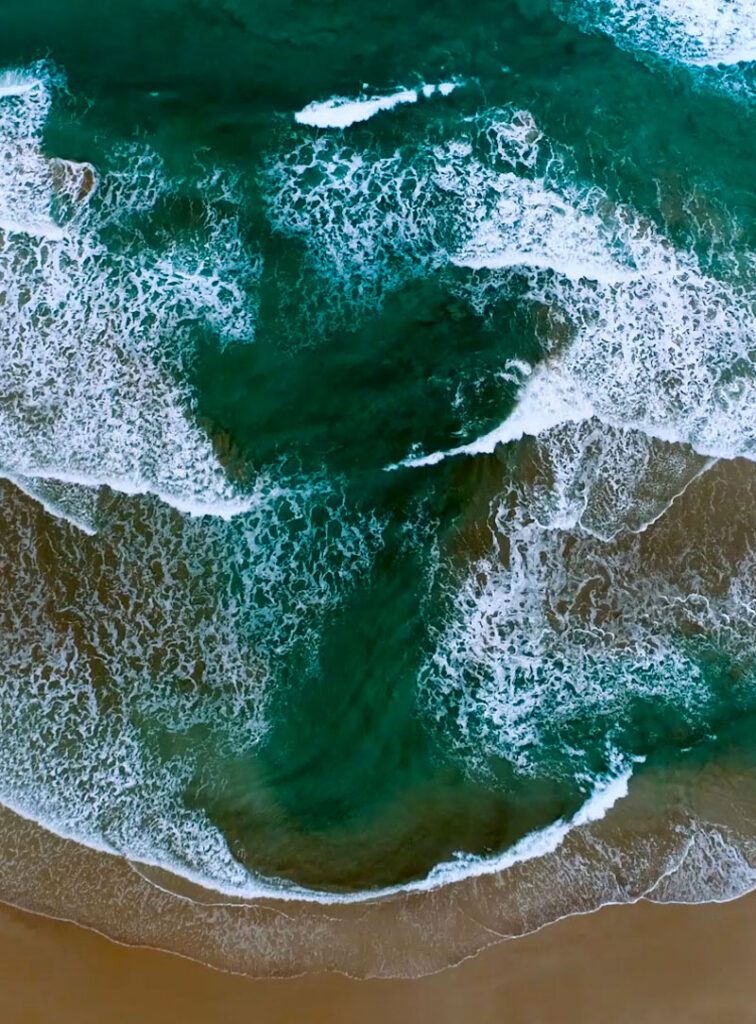
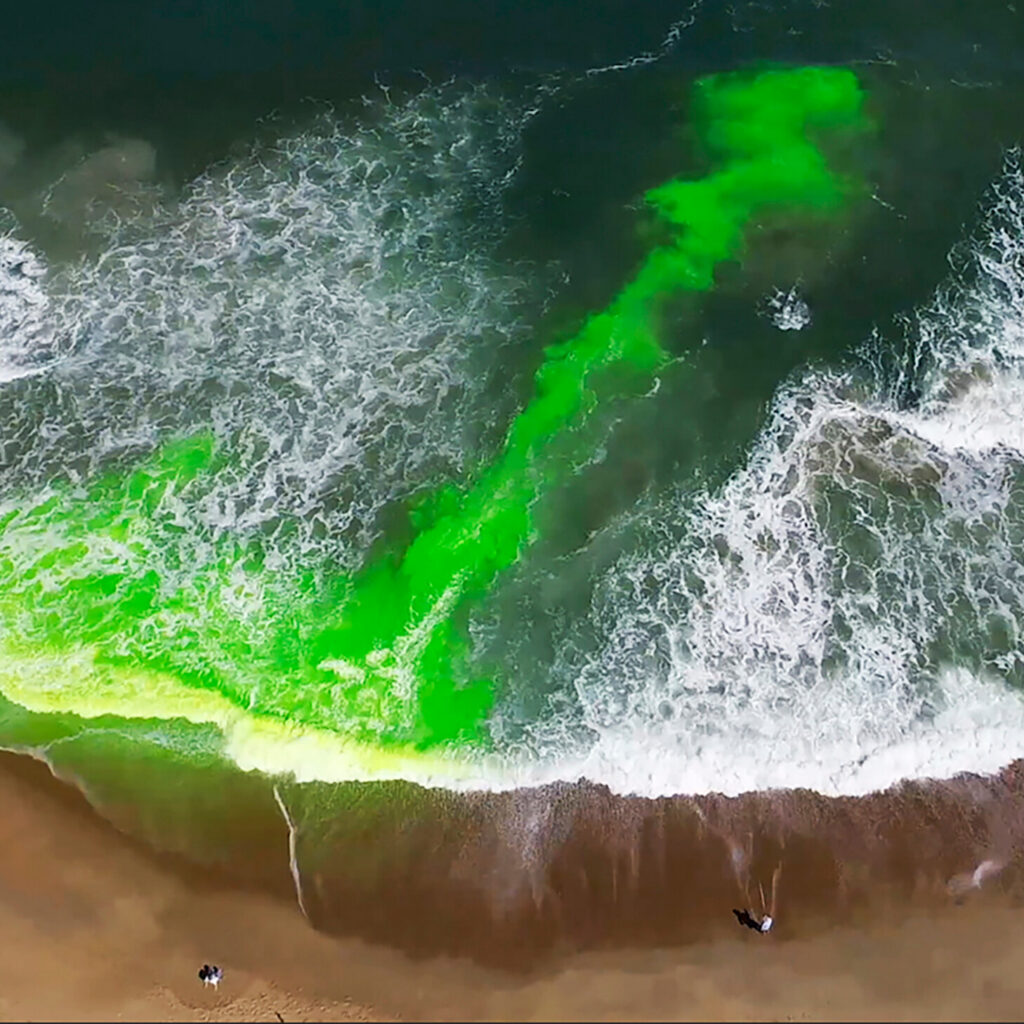
Rip currents are the single biggest hazard on Australian beaches and are behind around 21 drowning deaths a year, plus a huge number of lifesaver rescues. They’re powerful, common, and often invisible to an untrained eye, which is exactly why a five-minute chat with your kids before you get in the water matters so much.
A few things worth doing every single time you’re at an unpatrolled beach or before the flags go up:
Take sixty seconds to scan the water together as a family. Point out any patches that look darker, calmer, or sandier than the surrounding water, and any gaps where the waves aren’t breaking consistently. Rips often sit right next to sandbanks or headlands, so those spots deserve an extra look.
Set the ground rules before anyone gets wet: swim between the flags, stay in sight, and if anyone gets caught in a current, the plan is float and signal, not fight and swim for shore. It’s worth actually rehearsing the arm-raise signal with younger kids so it’s second nature if it’s ever needed.
And honestly, the simplest piece of advice is still the best one: patrolled beaches, between the red and yellow flags. It removes almost all the guesswork, and it means there are trained eyes on the water the whole time you’re in it.
Adding {{itemName}} to cart
Added {{itemName}} to cart