Our beaches and waterways are home to some pretty amazing wildlife, and the good news is that millions of families swim, surf and splash around here every single year without a hitch. A little bit of know-how goes a long way, and honestly, most of it comes down to one simple habit: swim at a patrolled beach, between the red and yellow flags, where lifesavers and lifeguards are keeping a close eye on everyone in the water.
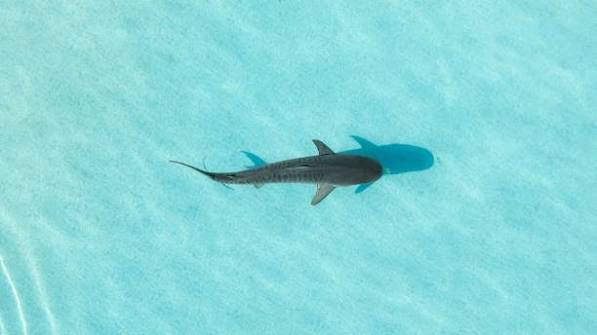
Sharks have called the Queensland coast home for a very long time, and at patrolled beaches, lifesavers and lifeguards are always watching the water for you. If you ever hear a siren or see them waving everyone in, that’s your cue to head to shore calmly and quickly, save the rest of the wave for another day.
It’s rare for sharks to bother swimmers, and following the lifesavers’ lead is really all you need to do. Report anything unusual, like an entangled animal, to the Shark Hotline on 1800 806 891, and check the SharkSmart map if you’re exploring somewhere without lifesavers around.
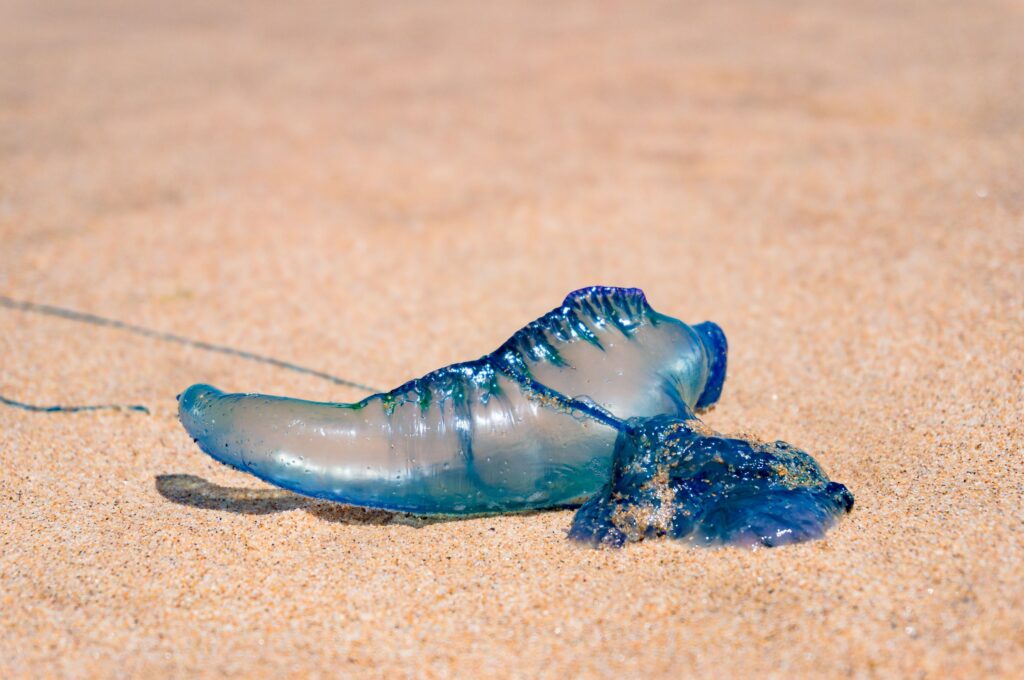
Jellyfish are part of the scenery too, and the one you’re most likely to meet is the bluebottle, a little blue, balloon-shaped floater with long trailing tentacles. A bluebottle sting stings, no doubt about it, but it’s manageable and short-lived. If it happens: don’t rub it, rinse with seawater (never fresh water), then pop the stung area into water as hot as can be comfortably handled for about 20 minutes, or use a cold pack if hot water isn’t around. It should settle down from there, but if the pain doesn’t ease up, chat to a lifesaver or get medical advice.
Up in tropical waters, roughly November to May, keep an eye out for a couple of other jellyfish too, they’re trickier to spot since they’re almost see-through. This is really just a heads-up to swim at patrolled beaches during those months and to tell an adult straight away about any sting so it can be looked after properly, seawater rinse and a splash of vinegar if you’re up north is a handy first step while you get help.
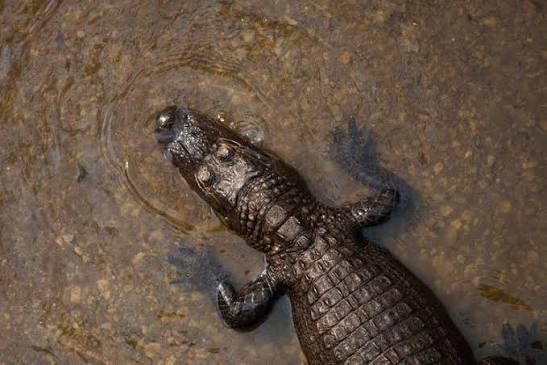
In North Queensland, crocs are simply part of the neighbourhood, especially around saltwater creeks, rivers and estuaries. They’re excellent swimmers and very patient, which is exactly why the best approach is to admire them from a distance rather than get up close. Always follow crocodile warning signs, keep well back from the water’s edge in croc country, and remember the golden rule: look, don’t touch, and never feed or approach one. If a croc is spotted near a beach, it’ll simply close for a few hours while things settle, just part of keeping everyone safe. Spot one? Give CrocWatch a call on 1300 130 372.
However you’re spending your day at the beach or the river, the theme is the same everywhere: these are wild animals enjoying their own backyard, and a bit of awareness and respect means everyone, humans and locals alike, gets along just fine. Swim between the flags, listen to the lifesavers, and keep half an eye on the water around you. That’s really all it takes.
Adding {{itemName}} to cart
Added {{itemName}} to cart