Beach Safety

Know Your Flags: The Beach's Own Language

Every patrolled beach has its own way of talking to you, and once you know how to read it, you’ll always know exactly where’s safe to swim and what to watch out for.

It all comes down to a handful of flags and signs, and honestly, they’re pretty quick to learn.

The flags

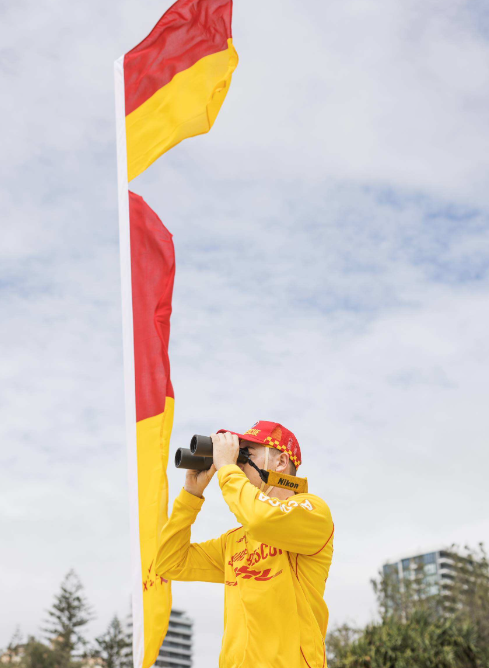
Red and yellow flags flying together mean this is the spot, always swim between them. It’s the patch of beach the lifesavers and lifeguards have checked out and are keeping watch over, so it’s the safest place on the whole beach to be.

A single red flag means no swimming, full stop. Conditions have been assessed as too risky right now, so it’s time for sandcastles or a game of beach cricket instead.

A single yellow flag means caution, there’s a bit of a hazard about, maybe a stronger current or trickier surf, so take extra care if you’re heading in.

Black and white flags mark out a lane for watercraft like surfboards, kayaks and canoes, so if you’re swimming, that’s a strip to steer clear of, and if you’re paddling or riding a board, that’s your space.

Red and Yellow Flag
Always swim between the flags.

Red Flag
No swimming.

Black and White Flag
Surf craft (canoes, kayaks, surfboards) riding area boundary.

Yellow Flag
Be careful, there could be dangers in the water.

The signs

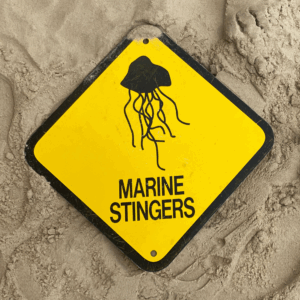
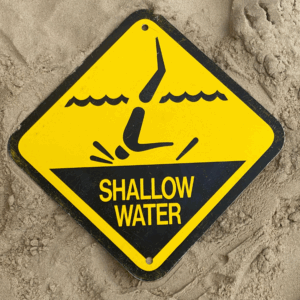
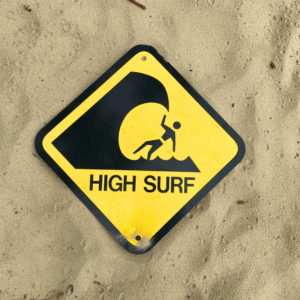
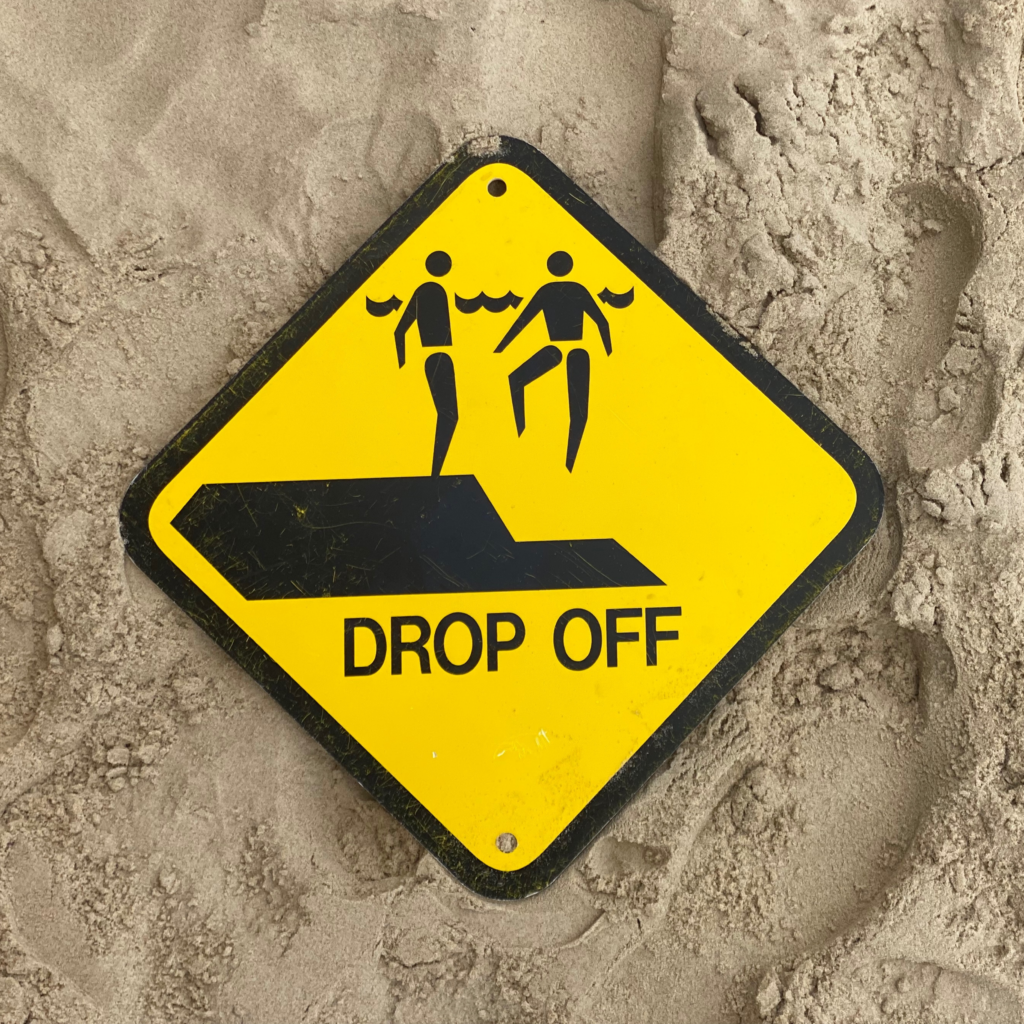
Around the flags you’ll often spot other signs too, each one a heads-up about something specific to that beach on that day. They cover things like a strong current running through the water, a sudden drop-off where the sand shelves away underfoot, higher surf than usual, submerged rocks, or shallow patches where diving under waves isn’t a great idea. Some signs let you know if marine stingers or bluebottles have been spotted, if there’s been a shark or crocodile sighting nearby, or even if there’s been some snake activity around the dunes.

None of these signs are there to put you off, they’re there so you’ve got the full picture before you get in. A quick read on the way past takes seconds and means zero surprises once you’re in the water.

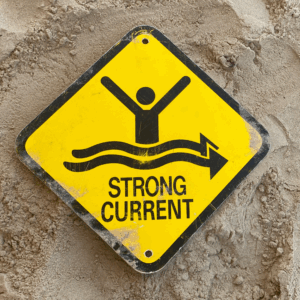
Strong current

The strength of the current is high. This can push you into the water even as a strong swimmer. Be very careful.

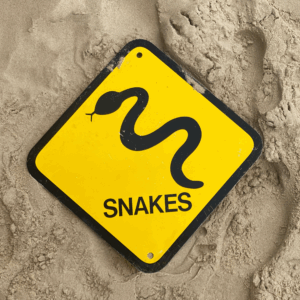
Snakes

We have detected snakes in the area around the beach.

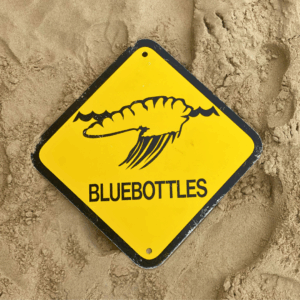
Blue bottles

There are marine stingers detected in the water. Please be aware as they can hurt you.

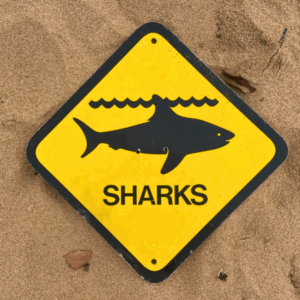
Shark Hazard

Sharks have been spotted in the area ask lifesavers or lifeguards for advice before swimming.

Marine stingers

There are marine stingers detected in the water. Please be aware as they can hurt you.

Shallow Water Hazard

The water is very shallow be careful when diving under waves.

High surf

The waves are rough and can be dangerous is you are not a strong swimmer. Be very careful.

Sudden Drop Off

There is a sudden drop off where the sand is gone be careful when entering the water.


The Golden Rules

Swim at a patrolled beach, between the red and yellow flags, every time. Take a moment to read whatever signs are up that day. If anything looks unclear or the conditions seem off, just ask a lifesaver, that’s exactly what they’re there for. Swim with someone else rather than solo, and if you’ve got kids in the water, keep eyes on them constantly, even confident swimmers.

Learn the flags, read the signs, and the beach basically tells you everything you need to know before you even get your feet wet.

Find your closest club and get started with Symal Nippers